CategoriesDarjeeling Tea 2nd Flush 2026 Black Tea Muscatel Tea Second Flush 2026

The Art & Science of Exceptional Darjeeling Tea

Discover what makes Darjeeling tea truly exceptional-from altitude, weather and cultivars to expert tea-making, seasonal variations and the unique development of its famous muscatel character.

1. Why Darjeeling Tea Tastes Different Every Year

Every harvest is unique. Weather, rainfall, temperature, sunshine, plucking conditions and processing can change the aroma, flavour and character of tea—even from the same estate.

2. How Weather Affects Darjeeling Tea Flavour

Darjeeling’s cool mountain climate, rainfall and changing temperatures play a vital role in shaping the aroma, body and flavour of each tea harvest.

3. The Science Behind Darjeeling Tea’s Famous Muscatel Flavour

The distinctive muscatel character develops through a complex interaction of tea variety, weather, insect activity, leaf chemistry and skilled processing, particularly during the Second Flush.

4. Why Teas from the Same Darjeeling Estate Can Taste Different

A single estate can produce many distinct teas because different sections, elevations, cultivars, plucking dates, leaf quality and manufacturing techniques create different flavour profiles.

5. The Tea Maker’s Role in Creating Exceptional Darjeeling Tea

From withering and rolling to oxidation and drying, the tea maker carefully controls every stage of manufacture. Skilled processing can transform excellent leaves into an exceptional Darjeeling tea.

6. How Altitude Influences Darjeeling Tea Aroma and Flavour

Higher elevations generally bring cooler growing conditions and slower plant growth, contributing to the distinctive aroma, delicacy and complexity associated with premium Darjeeling teas.

7. Why Premium Darjeeling Tea Cannot Be Mass Produced

Exceptional Darjeeling tea depends on specific gardens, seasons, small batches, careful plucking and skilled processing. Its unique character comes from nature and craftsmanship – not mass production.
CategoriesDarjeeling Tea 2nd Flush 2026 Black Tea Muscatel Tea Second Flush 2026

What Makes One Darjeeling Tea Exceptional and Another Ordinary?

“Not all Darjeeling teas are created equal.

This may come as a surprise to many tea lovers. After all, if two teas come from the same famous estate, harvested during the same season, shouldn’t they taste almost identical?

The answer is no.

One of the greatest misconceptions about Darjeeling tea is that the name of the tea garden alone guarantees exceptional quality. While a renowned estate certainly provides the foundation, the true difference between an ordinary Darjeeling tea and an extraordinary one lies in a fascinating combination of nature, craftsmanship, timing, and experience.

Tea Emporium, we have spent over 24 years tasting Darjeeling teas, evaluating more than 100 tea samples every harvest season. This journey has taught us that producing an exceptional Darjeeling tea is both an art and a science—where even the smallest detail can transform an ordinary cup into an unforgettable experience.

It All Begins with Nature

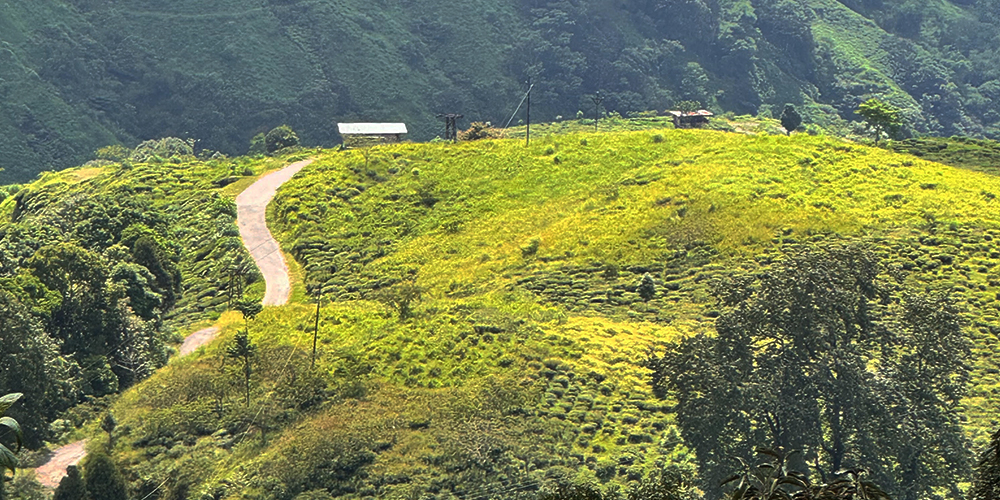
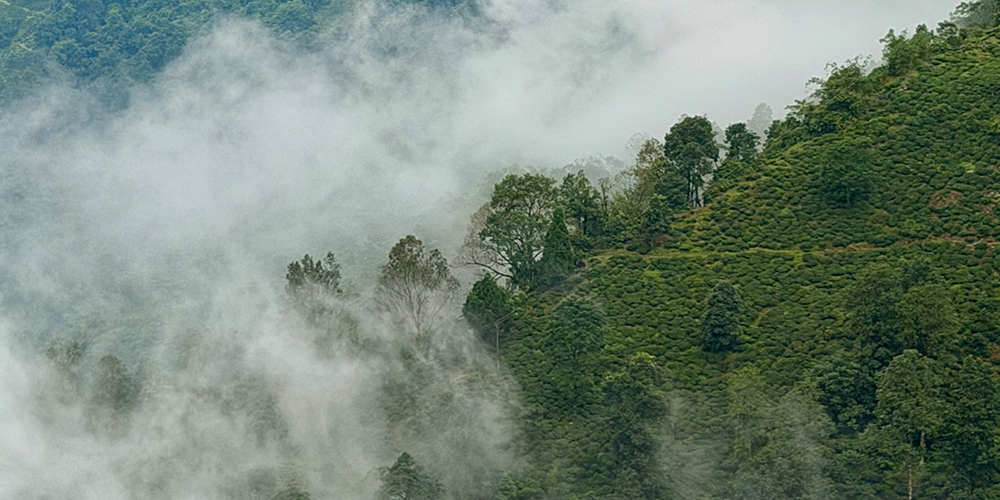
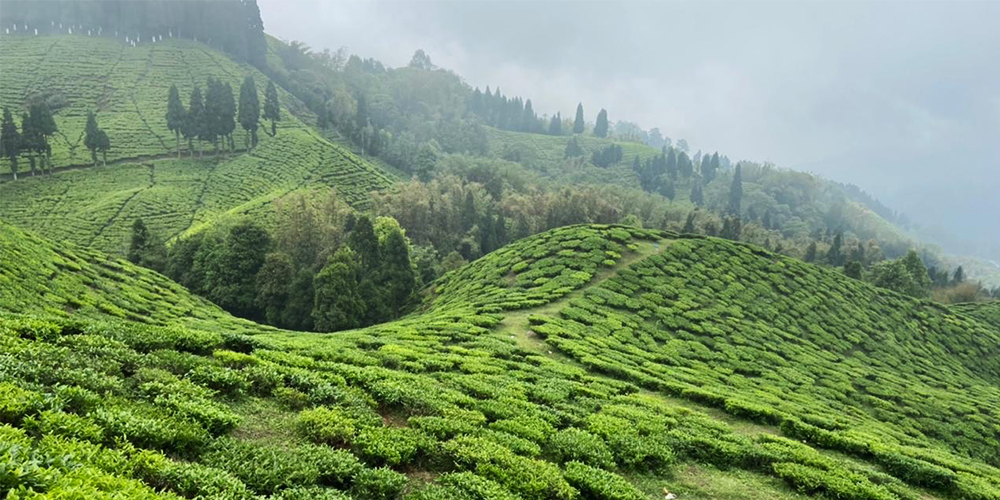
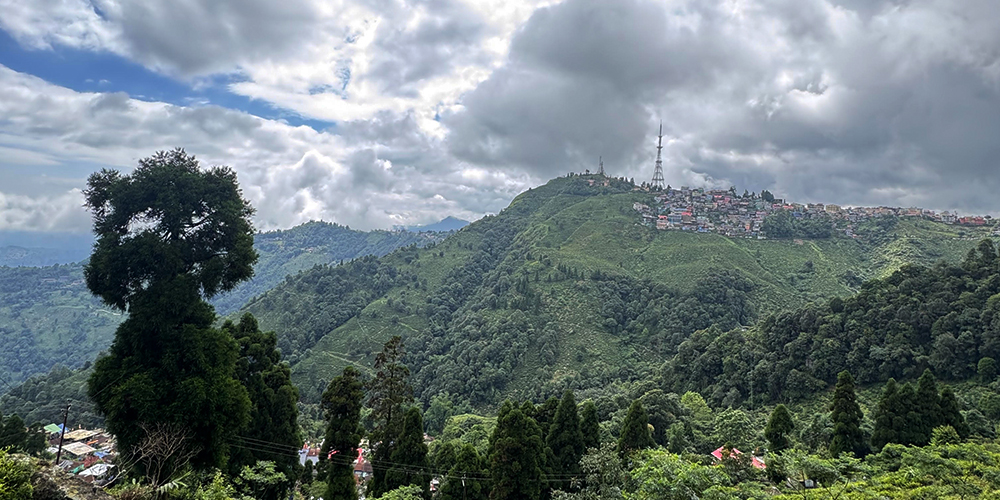
Every great Darjeeling tea starts in the Himalayan foothills, where cool mountain air, rich soils, abundant rainfall, and varying elevations create one of the world’s most celebrated tea-growing regions.

Yet nature is never predictable.

Every harvest is shaped by countless environmental factors, including:
  1. Temperature
  2. Rainfall
  3. Sunshine
  4. Morning mist
  5. Soil moisture
  6. Humidity
  7. Wind
  8. Altitude
Even a few days of unexpected weather can dramatically influence the flavour of the tea. This is why no two Darjeeling harvests are ever exactly the same.

Timing is Everything

Tea bushes grow continuously throughout the season, but the timing of leaf plucking has a remarkable impact on quality.

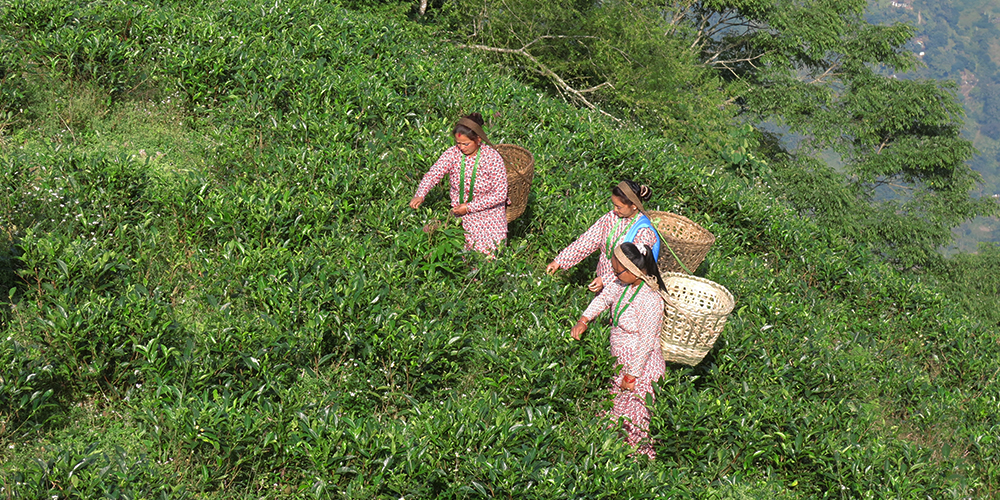
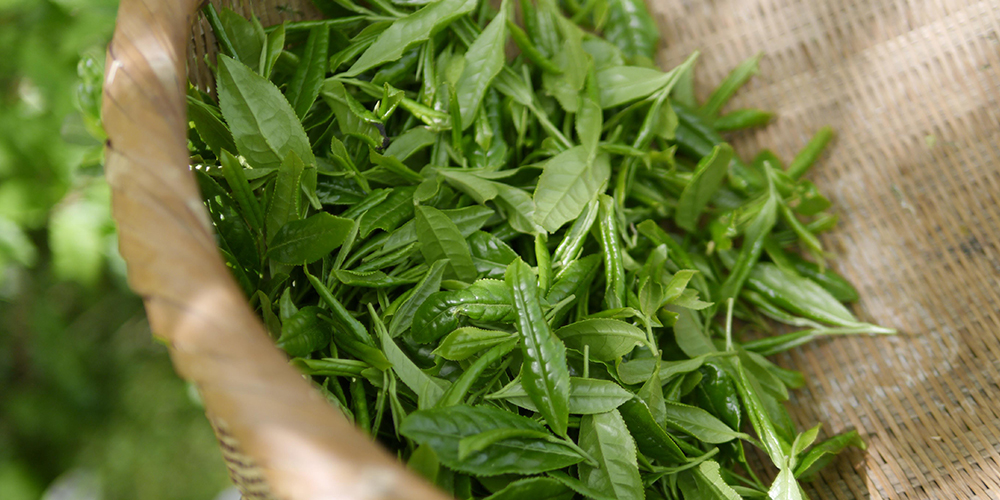
The finest Darjeeling teas are crafted from the tender two leaves and a bud, carefully hand-plucked at precisely the right stage of growth.

Harvest too early, and the tea may lack depth. Harvest too late, and the leaves become coarser, reducing elegance and complexity.

Exceptional tea begins with exceptional plucking.

The Tea Maker Makes All the Difference

If the tea garden provides the ingredients, the tea maker creates the masterpiece.

Perhaps the most overlooked factor in producing outstanding Darjeeling tea is the skill of the tea maker.

Every day presents a different challenge.
The moisture content of the leaves, the humidity in the factory, the temperature outside, and the condition of the freshly plucked leaves all influence how the tea should be processed.

A skilled tea maker constantly adjusts:
  1. Withering time
  2. Rolling pressure
  3. Oxidation levels
  4. Drying temperature
  5. Final finishing
There is no universal formula.
What worked yesterday may not produce the best tea today.
This ability to adapt distinguishes truly exceptional tea makers from average ones.

Great Tea Gardens Can Produce Ordinary Teas

Many tea buyers assume that purchasing from a famous estate automatically guarantees excellence.

In reality, every tea garden produces numerous invoices throughout the harvest season.

Some are good.
Some are excellent.
Only a few are truly extraordinary.

That is why experienced tea buyers never rely solely on the reputation of the estate.

Every invoice must be judged individually.

Experience Cannot Be Replaced

Tea tasting is much like mastering a musical instrument or developing the palate of a fine wine expert.

Books can teach theory.
Experience teaches judgment.
After tasting thousands of Darjeeling teas over many years, patterns begin to emerge.

A trained tea taster can recognize subtle differences in:
  1. Aroma
  2. Brightness
  3. Sweetness
  4. Complexity
  5. Mouthfeel
  6. Finish
  7. Balance
  8. Seasonal expression
These characteristics cannot be measured by machines.
They are understood through years of careful tasting and comparison.

The Cultivar Matters

The variety of tea plant also contributes significantly to the final flavour.

Cultivars such as:
  1. AV2
  2. P312
  3. B157
  4. China Bush (Camellia sinensis var. sinensis)
each express different personalities.

Some produce intensely floral teas.
Others develop fruity sweetness.
Some excel during First Flush.

Others reveal their full character during the Second Flush.
Understanding how each cultivar performs under varying seasonal conditions is part of selecting truly exceptional teas.

The Finest Teas Are Rare

Every season, hundreds of Darjeeling teas are produced.
Only a small percentage display the harmony that defines an outstanding tea.

The finest examples possess:
✔ Brilliant aroma
✔ Bright, sparkling liquor
✔ Natural sweetness
✔ Excellent balance
✔ Elegant complexity
✔ Long, lingering finish
✔ Distinct seasonal character

These are the teas that remain memorable long after the last sip.

How We Select Our Teas at Tea Emporium

At Tea Emporium, our philosophy has remained unchanged for over two decades.

We never choose a tea simply because it comes from a famous estate.

Instead, every tea must earn its place through blind tasting and careful evaluation.

Each harvest season, we taste more than 100 tea samples, comparing them side by side before making our final selections.

Every tea is assessed for:
  1. Aroma
  2. Liquor colour and clarity
  3. Mouthfeel
  4. Sweetness
  5. Complexity
  6. Balance
  7. Aftertaste
  8. Overall drinking experience
Only those teas that truly impress us become part of our seasonal collection.
This careful process allows us to offer our customers teas that represent the very best expression of each Darjeeling harvest.

Excellence Lies in the Details

An exceptional Darjeeling tea is never the result of a single factor.

It is the perfect meeting of:
Nature’s generosity The skill of the tea grower The craftsmanship of the tea maker The choice of cultivar Perfect timing Careful hand plucking An experienced tea taster’s judgment

When all these elements come together, the result is something extraordinary—a tea that captures the true spirit of the Darjeeling Himalayas.

Our Promise

For more than 5 decades, Tea Emporium has been committed to one simple principle:

To offer only those Darjeeling teas that we would proudly serve to our own family and fellow tea lovers.

Every cup we select reflects our passion, experience, and unwavering commitment to quality.

Because exceptional Darjeeling tea is not found by chance—it is discovered through knowledge, patience, and a lifetime devoted to tasting.
CategoriesDarjeeling Tea 2nd Flush 2026 Black Tea Muscatel Tea Second Flush 2026

Discover the Finest First Flush, Second Flush & Organic Darjeeling Tea Collections at Tea Emporium

For tea lovers around the world, few experiences compare to sipping an exceptional cup of authentic Darjeeling tea. Grown in the mist-covered Himalayan foothills and crafted with generations of expertise, Darjeeling tea is celebrated for its elegance, complexity, and remarkable seasonal character.

At Tea Emporium, we believe that every harvest tells a unique story. From the delicate freshness of the First Flush to the rich Muscatel notes of the Second Flush and the purity of Organic Darjeeling Tea, each collection is carefully curated to showcase the very best that the season has to offer.

Our commitment goes beyond simply selling tea. With over 24 years of professional tea tasting experience, we evaluate more than 100 tea samples every harvest season, selecting only those teas that truly capture the essence of Darjeeling.

First Flush Darjeeling Tea – The Taste of Spring

The arrival of the First Flush marks the beginning of a new tea season in Darjeeling. Harvested from late February to mid-April, these tender young leaves awaken after winter dormancy, producing some of the world’s most elegant and sought-after teas.

Every cup reflects the freshness of spring, offering bright floral aromas, lively character, and delicate complexity.

What Makes First Flush Special?

  • Fresh floral bouquet
  • Light golden liquor
  • Delicate sweetness
  • Crisp and refreshing finish
  • Notes of orchids, jasmine, citrus, green almonds, and spring blossoms
Because of their limited availability and exceptional quality, premium First Flush teas are highly prized by collectors and tea connoisseurs worldwide.

At Tea Emporium, every First Flush tea is selected only after extensive tasting to ensure exceptional aroma, balance, and elegance.

Second Flush Darjeeling Tea - The Legendary Muscatel Experience

If First Flush represents the freshness of spring, Second Flush captures the warmth and richness of early summer.

Harvested between mid-May and June, these teas develop the famous Muscatel flavour that has made Darjeeling tea legendary across the globe.

The result is a fuller-bodied cup with extraordinary depth and complexity.

Why Tea Lovers Adore Second Flush

  • Rich amber liquor
  • Smooth, rounded body
  • Natural honeyed sweetness
  • Distinctive Muscatel notes reminiscent of ripe Muscat grapes
  • Layers of dried fruits, caramel, ripe peaches, and warm spices
Not every Second Flush develops an outstanding Muscatel character. It depends on the perfect balance of weather, cultivar, altitude, and the craftsmanship of the tea maker.

This is why we carefully taste every lot before making our final selections.

Organic Darjeeling Tea - Pure Tea, Pure Nature

For those who appreciate tea in its most natural form, our Organic Darjeeling Tea Collection offers an authentic expression of the Himalayan terroir.

Produced without synthetic pesticides or chemical fertilizers and cultivated using environmentally responsible practices, organic Darjeeling teas preserve the natural character of both the tea plant and its surrounding ecosystem.

Why Choose Organic Darjeeling Tea?

  • Naturally cultivated
  • Environmentally sustainable
  • Rich in delicate floral aromas
  • Clean and vibrant flavour
  • Carefully sourced from certified organic tea estates
Organic teas beautifully reflect the pristine environment of Darjeeling while supporting sustainable tea cultivation for future generations.

Our Selection Process - Quality Before Reputation

One of the questions we are asked most often is:

“How do you consistently source such exceptional Darjeeling teas?”

The answer lies in our dedication to tea tasting.

For more than 85 years in trade, we have devoted ourselves to understanding the subtle differences between tea gardens, cultivars, manufacturing styles, and seasonal variations.

Each harvest season, we taste over 100 tea samples from renowned Darjeeling tea estates before selecting only a handful that meet our uncompromising standards.

Rather than relying solely on the reputation of a tea garden, we evaluate every tea individually based on:
  • Aroma
  • Liquor brightness
  • Mouthfeel
  • Complexity
  • Balance
  • Sweetness
  • Finish
  • Overall drinking experience
Only the finest teas become part of the Tea Emporium collection.

Why Every Harvest is Unique

Darjeeling tea is unlike almost any other tea in the world because no two harvests are ever exactly alike.

Every season is influenced by:
  • Rainfall
  • Temperature
  • Sunshine
  • Soil moisture
  • Altitude
  • Tea cultivars
  • Skilled craftsmanship during manufacturing
Even teas from the same estate can vary from one year to the next, making each harvest a unique expression of nature.

This constant evolution is what makes Darjeeling tea so fascinating and rewarding to explore.

Experience the True Spirit of Darjeeling

Whether you prefer the vibrant floral elegance of a premium First Flush, the rich Muscatel complexity of an exceptional Second Flush, or the pure, natural character of Organic Darjeeling Tea, every cup offers a journey into the heart of the Himalayas.

At Tea Emporium, we are passionate about sharing teas that reflect not only the finest tea gardens of Darjeeling but also the dedication, craftsmanship, and expertise behind every harvest.

Our mission is simple—to bring the world’s finest Darjeeling teas directly from the estates to tea lovers who appreciate authenticity, quality, and unforgettable flavour.

We invite you to explore our carefully curated collections and discover why Darjeeling continues to be celebrated as the “Champagne of Teas.

Why Choose Tea Emporium?

  • Over 24 years of professional tea tasting experience( 3rd generation) & 85 years in darjeeling tea trade based in darjeeling itself.
  • More than 100 tea samples evaluated every harvest season
  • Carefully selected single-estate Darjeeling teas
  • Direct sourcing from renowned Darjeeling tea gardens
  • Fresh seasonal selections
  • Authentic, premium-quality loose leaf teas
  • Worldwide shipping
CategoriesDarjeeling Tea 2nd Flush 2026 Black Tea Muscatel Tea Second Flush 2026

Difference Between First Flush and Second Flush Darjeeling Tea: A Complete Guide

Darjeeling tea is often referred to as the “Champagne of Teas” because of its exceptional quality, distinctive character, and limited production. Among the various harvests throughout the year, First Flush and Second Flush are the most celebrated and sought after by tea enthusiasts worldwide.

But what exactly sets these two flushes apart? In this guide, we’ll explore the differences in harvest time, appearance, flavour, aroma, and brewing characteristics to help you choose the perfect Darjeeling tea for your palate.

What is First Flush Darjeeling Tea?

First Flush Darjeeling tea is the first harvest of the year, typically plucked between late February and mid-April, just after the tea bushes awaken from their winter dormancy.

The young leaves are tender and rich in fresh aromatic compounds, resulting in a tea that is prized for its delicate elegance.

Characteristics of First Flush

  • Light golden liquor
  • Fresh floral aroma
  • Delicate sweetness
  • Notes of spring flowers, green almonds, fresh herbs, and citrus
  • Bright, lively finish Light body with gentle briskness
First Flush teas are lightly oxidized to preserve their vibrant freshness and floral complexity.

What is Second Flush Darjeeling Tea?

Second Flush Darjeeling tea is harvested between mid-May and June, after the tea bushes have had several weeks of active growth.

This harvest produces fuller-bodied teas with deeper complexity and the famous Muscatel character that has made Darjeeling tea legendary.

Characteristics of Second Flush
  • Rich amber liquor
  • Fuller body
  • Smooth mouthfeel
  • Fruity sweetness
  • Distinctive Muscatel notes reminiscent of ripe muscat grapes
  • Hints of honey, dried fruits, caramel, and warm spices
Second Flush teas are generally more oxidized than First Flush teas, creating their richer flavour profile.

Understanding the Famous Muscatel Flavour

One of the defining characteristics of premium Second Flush Darjeeling tea is its celebrated Muscatel flavour. Despite the name, no grapes are added to the tea. The term describes the naturally occurring fruity aroma and flavour that resembles ripe Muscat grapes. This remarkable character develops under a unique combination of Darjeeling’s high-altitude climate, specific tea cultivars, careful manufacturing, and seasonal growing conditions.

Only a small proportion of Second Flush teas develop an outstanding Muscatel profile, making these teas especially prized by collectors and connoisseurs.

Which One Should You Choose?

Choose First Flush if you enjoy:
  • Delicate floral teas
  • Fresh spring aromas
  • Light-bodied brews
  • Elegant afternoon tea
Choose Second Flush if you prefer:
  • Richer, fuller flavours
  • Fruity complexity
  • Honeyed sweetness
  • The classic Muscatel experience
Many tea lovers enjoy both, appreciating First Flush during the spring season and Second Flush for its deeper character throughout the rest of the year.

Brewing Recommendations

First Flush
  • Water temperature: 80–85°C
  • Tea leaves: 2–2.5 grams per 120 ml
  • Steeping time: 3–4 minutes
Second Flush
  • Water temperature: 90–95°C
  • Tea leaves: 2.5–3 grams per 120ml
  • Steeping time: 4–5 minutes
Using filtered water and avoiding over-steeping will help preserve the tea’s delicate flavours.

Experience the Finest Darjeeling Teas
At Tea Emporium, we carefully source exceptional single-estate Darjeeling teas directly from renowned gardens. Every tea is hand-selected after extensive tasting to ensure remarkable quality, freshness, and authenticity. Whether you’re captivated by the floral elegance of a premium First Flush or the rich Muscatel complexity of an outstanding Second Flush, our curated collection offers some of the finest Darjeeling teas available.
2nd Flush 2026CategoriesDarjeeling Tea 2nd Flush 2026 Black Tea Muscatel Tea Second Flush 2026

2nd Flush 2026 – Darjeeling Muscatel Tea

A Timeless Himalayan Vintage for the Refined Connoisseur

In the rarefied world of true luxury, where authenticity, provenance, and artistry define distinction, 2nd Flush Muscatel Darjeeling Tea emerges as an extraordinary indulgence. Revered across the globe and nurtured upon the legendary Himalayan slopes of Darjeeling, this tea transcends mere consumption — it is treasured, collected, and savored much like an exceptional vintage wine.

🌿 Born of an Extraordinary Terroir

Cultivated at breathtaking elevations ranging from 2,000 to over 6,500 feet above sea level, this remarkable tea originates from select heritage estates where venerable China bushes flourish amidst mineral-rich mountain soils. Cloaked in drifting mist, nourished by monsoon-kissed rains, and caressed by cool alpine breezes, these gardens possess a terroir unlike any other on earth.

Such rare climatic harmony imparts the tea with its world-renowned muscatel character – an exquisite flavor profile impossible to replicate beyond the sacred valleys of Darjeeling.

☁️ The Coveted Second Flush Harvest

Harvested during the celebrated Second Flush season between late May and early July, these leaves mature slowly under alternating bursts of golden sunlight and cooling mountain showers. This unhurried maturation develops a captivating depth of flavor – richly layered, wine-like, and profoundly aromatic.

Each sip unveils graceful impressions of muscadine grapes, sun-dried apricots, honeyed stone fruits, warm spice, and delicate floral undertones, culminating in the unmistakable grandeur of classic Darjeeling muscatel.

🛠️ An Heirloom of Craftsmanship

Only the finest two leaves and a tender bud are meticulously hand-plucked at dawn, preserving the tea’s remarkable elegance and complexity. Crafted using the revered orthodox method, every stage of production – from withering and rolling to oxidation and slow firing – is guided by generations of artisanal intuition and mastery.

The result is a rare, limited-harvest tea possessing a luminous amber-gold liquor, velvety mouthfeel, and a lingering finish of extraordinary refinement – delicately balancing sweetness, briskness, and subtle astringency.

🍵 The Essence of Quiet Luxury

To the discerning palate, 2nd Flush Muscatel Darjeeling is far more than tea; it is an experience of timeless sophistication and sensory artistry. Equally suited to intimate moments of solitude or the grandest of tables, it evokes a world of understated elegance and cultivated taste.

Whether carefully cellared, gifted to the truly distinguished, or savored during life’s finer moments, this tea speaks eloquently of rarity, heritage, and uncompromising excellence.

Limited. Artisanal. Unforgettable.

Because the greatest luxuries are not owned – they are experienced.
Darjeeling 1st Flush 2026CategoriesDarjeeling Tea 1st Flush 2026

1st Flush 2026 – The Champagne of Teas

High in the mist-laced slopes of the Eastern Himalayas, where clouds drift lazily across emerald hills, is born a tea that has captivated connoisseurs for generations – First Flush Darjeeling. Revered as the “Champagne of Teas,” this legendary spring harvest captures the very first breath of the season.

Light yet expressive, delicate yet vibrant, it unveils a luminous golden liquor layered with fresh florals, gentle briskness, and that unmistakable whisper of muscatel – a signature found nowhere else on earth.

The First Flush - Spring’s First Secret

“First Flush” marks the year’s inaugural plucking, typically from late February through mid-April. After months of winter dormancy, the tea bushes awaken with tender young leaves bursting with vitality.

These delicate shoots, minimally oxidized to preserve their freshness, yield a cup that is ethereal, aromatic, and exquisitely refined. It is not merely tea — it is spring captured in its purest form.

Where Heaven Meets Earth

1. The High Himalayan Terrain
Perched between 600 and 2,000 meters above sea level, Darjeeling’s lofty gardens benefit from slow leaf growth in the cool mountain air. This natural pause intensifies complexity, creating layered notes and remarkable clarity in the cup.

2. The Living Soil
Rich, loamy, well-drained soils with a gentle acidity nurture the roots deeply. This mineral-rich cradle imparts subtle structure and depth — the quiet foundation behind the tea’s elegance.

3. Climate – The Soul of Terroir
Darjeeling’s unique microclimate shapes its identity:
  • Soft spring showers nourish tender shoots
  • Dramatic day–night temperature shifts heighten aromatic development
  • Veils of mist preserve leaf tenderness and vibrancy
The result? A rare harmony of altitude, soil, and climate that produces a tea as elusive as mountain sunrise.

The Art Behind Every Leaf

Crafting First Flush Darjeeling is an act of devotion. Skilled hands pluck only the finest “two leaves and a bud,” selecting with precision and care.

The journey continues through:
  • Withering – gently reducing moisture to prepare the leaf
  • Rolling – releasing natural enzymes and aromatic compounds
  • Light Oxidation – preserving floral brightness
  • Careful Drying & Sorting – sealing in freshness and refinement
Each step safeguards the purity of spring, ensuring that the final cup reflects both nature’s grace and generations of craftsmanship.

The Cup That Awakens the Senses

Brewed to perfection, First Flush Darjeeling reveals a radiant golden infusion. The aroma dances with fresh blossoms and green sweetness, followed by a crisp yet elegant briskness and a lingering muscatel finish.

It is best enjoyed plain — no milk, no distraction — just the unfiltered poetry of the Himalayas.

Brewing Guide
  • Water Temperature: 85–90°C
  • Leaf Measure: 1 teaspoon per cup
  • Steeping Time: 3-4 minutes
  • Best Savoured: Pure and unadorned

A Timeless Indulgence

To sip First Flush Darjeeling is to taste the first light of spring on Himalayan peaks – delicate, vibrant, unforgettable. It is a fleeting harvest, cherished worldwide, and treasured by those who understand that true luxury lies in subtlety.

A cup of liquid gold.
A moment suspended in mist.
Shall we pour you one?
First Flush 2025 - Darjeeling TeaCategories1st Flush 2025 Darjeeling Tea

1st Flush 2025 – Darjeeling Tea

First Flush Darjeeling Tea: The Champagne of Teas

Nestled in the mist-kissed slopes of the Eastern Himalayas, Darjeeling is home to one of the world’s most revered teas – First Flush Darjeeling Tea. Often referred to as the “Champagne of Teas,” this exquisite brew is a connoisseur’s delight, capturing the essence of the season’s first harvest with its delicate floral notes, crisp astringency, and vibrant golden liquor.

The First Flush Magic
The term “First Flush” refers to the very first tender leaves and buds plucked in early spring, typically from late February to mid-April. These young leaves, bursting with vitality after the long winter dormancy, yield a cup that is light, aromatic, and highly prized. Their delicate nature results in a tea that is less oxidized, retaining a fresh, floral character with hints of muscatel—a signature flavor unique to Darjeeling.

Where Heaven Meets Earth: The Growing Conditions

1. The High Himalayan Terrain
Darjeeling’s tea gardens are perched at altitudes ranging from 600 to 2,000 meters (2,000 to 6,500 feet) above sea level. This lofty elevation slows the growth of the tea leaves, allowing them to develop a complex, layered flavor profile that is unmatched in the tea world.

2. Soil: The Nourishing Cradle
The soils of Darjeeling are predominantly loamy, rich in organic matter, and well-drained—the perfect medium for tea cultivation. These soils are slightly acidic (pH between 4.5 to 5.5), which enhances nutrient absorption and contributes to the unique mineral character of Darjeeling tea.

3. Climate: The Essence of Terroir
Darjeeling’s cool, mist-laden climate plays a vital role in shaping the tea’s unparalleled flavor. The region experiences:
  • Spring Showers: Gentle pre-monsoon rains nourish the young shoots.
  • Temperature Variations: The day-night temperature fluctuations slow the leaf metabolism, intensifying the aromatic compounds.
  • Humidity & Mist: These elements allow the leaves to retain moisture, enhancing their tenderness and flavor
The combination of these high-altitude conditions, rich soil, and a unique microclimate creates the elusive and prized First Flush Darjeeling Tea—a gift of nature infused with the purity of the Himalayas.

The Art of Plucking and Processing

First Flush Darjeeling is crafted with meticulous care, where skilled hands pluck only the two tender leaves and a bud to ensure the finest quality. The processing involves:

1. Withering: Freshly plucked leaves are spread out to remove excess moisture.

2. Rolling: The leaves are delicately rolled to release natural enzymes.

3. Oxidation: Minimal oxidation is allowed to preserve the light, floral character.

4. Drying & Sorting: The leaves are gently dried to lock in the flavors before being graded.

This careful handling ensures that every sip of First Flush Darjeeling embodies the freshness of spring, the crispness of the mountain air, and the craftsmanship of generations.

The Cup That Awakens the Senses

A well-brewed cup of First Flush Darjeeling Tea is a symphony of flavors—a bright golden liquor with a floral aroma, subtle muscatel sweetness, and a lingering finish. Best enjoyed without milk, this tea is an experience rather than just a beverage.

Brewing Guide for the Perfect Cup:
  • Water Temperature: 85-90°C (185-195°F)
  • Tea Leaves: 1 teaspoon per cup
  • Steeping Time: 3-4 minutes
  • Best Enjoyed: Plain, to appreciate the nuanced flavors
A Timeless Elixir

Every sip of First Flush Darjeeling is like a whisper from the Himalayas—a delicate yet powerful reminder of nature’s artistry. Cherished by tea lovers worldwide, this tea remains a timeless indulgence, a cup of springtime in liquid gold.

Would you like a sip of this Himalayan poetry in a cup?
Categories2nd Flush 2024 Darjeeling Tea

2nd Flush 2024 – Darjeeling Tea

Darjeeling 2nd Flush tea is a highly prized variety of tea harvested in the Darjeeling region of India. The “second flush” refers to the second harvest period, typically occurring between late May and June. This period follows the first flush, which happens in the spring.

What sets Darjeeling 2nd Flush tea apart is its distinct flavor profile. It is known for its fuller body, richer taste, and more robust character compared to the first flush. The tea leaves often develop a characteristic muscatel flavor, reminiscent of muscat grapes, with notes of stone fruit, nuts, and sometimes a hint of spice. The liquor of the tea is usually amber or darker golden in color.

The unique flavor of Darjeeling 2nd Flush tea is attributed to several factors, including the specific climatic conditions of the region, the elevation at which the tea is grown, and the traditional methods of plucking and processing the leaves. The cooler temperatures and higher altitudes contribute to the slower growth of the tea plants, allowing the leaves to develop more complex flavors.

Darjeeling 2nd Flush tea is often enjoyed without milk to fully appreciate its nuanced flavors. It can be brewed using fresh, boiling water and steeped for about 3-5 minutes. The tea is highly sought after by connoisseurs and is often considered a luxury due to its limited production and exceptional quality.

The best climatic conditions for producing high-quality Darjeeling 2nd Flush tea are characterized by specific temperature ranges, rainfall patterns, and elevation.

1. Temperature:
Ideal temperatures for the second flush period range between 18°C to 25°C (64°F to 77°F). These moderate temperatures, typically found in late May to June, help in the slow growth of tea leaves, allowing them to develop the complex flavors characteristic of 2nd Flush tea.

2. Rainfall:
Adequate rainfall is crucial for tea cultivation, and the period leading up to the second flush usually receives sufficient rain. However, excessive rainfall during the plucking season can be detrimental as it can affect the quality of the leaves. Ideally, the region should receive moderate rainfall to maintain soil moisture without waterlogging.

3. Elevation:
Darjeeling tea is grown at elevations ranging from 600 to 2,000 meters (2,000 to 6,500 feet). Higher altitudes contribute to the unique flavor profile of the tea due to cooler temperatures, slower leaf growth, and more intense sunlight, which enhances the development of aromatic compounds in the tea leaves.

4. Soil:
Well-drained, slightly acidic soils rich in organic matter are ideal for tea cultivation. The unique terroir of the Darjeeling region, including its soil composition, plays a significant role in the distinctive taste of the 2nd Flush tea.

5. Sunlight:
Adequate but not excessive sunlight is beneficial. During the second flush, the tea plants should receive sufficient sunlight to support photosynthesis and the growth of new leaves, but prolonged exposure to intense sunlight can stress the plants.

6. Humidity:
Moderate humidity levels are preferred, as extremely high humidity can lead to fungal diseases, while very low humidity can stress the plants.

In summary, the combination of moderate temperatures, adequate but not excessive rainfall, high elevation, well-drained acidic soil, and balanced sunlight and humidity creates the optimal conditions for producing the prized Darjeeling 2nd Flush tea. These conditions help develop the tea’s characteristic muscatel flavor and rich, full-bodied profile.
Darjeeling 1st Flush 2024 TeaCategories1st Flush 2024 Darjeeling Tea

1st Flush 2024 – Darjeeling Tea

First Flush Darjeeling teas are revered for their exceptional quality and unique characteristics. Harvested from the first plucking of the season, typically between early March and April, these teas embody the essence of the Himalayan region.

Renowned for their delicate flavor profile, first flush Darjeeling teas are prized for their floral notes, subtle sweetness, and brisk, refreshing taste. The leaves, meticulously hand-picked from the youngest shoots, yield a brew with a light golden hue and a fragrant aroma that evokes the freshness of spring. Considered the champagne of teas, first flush Darjeeling teas offer a transcendent drinking experience cherished by tea enthusiasts worldwide.

During this harvest, the optimal temperature variance between daytime and nighttime ranges from 9 to 12 degrees Celsius. Early first flush teas predominantly feature clonal varieties such as AV2, P312, and BB157, chosen for their rapid growth compared to the slower-developing China variety. This period sees the production of some of the world’s finest black, green, white, and oolong teas in darjeeling,with select batches fetching record-breaking prices.

As always, we eagerly anticipate sampling the world’s premier first flush Darjeeling teas this year. With over three generations of experience in the trade and our location in Darjeeling, we possess intimate knowledge of the garden subdivisions that yield the finest tea bushes, resulting in the most exquisite Darjeeling teas of the season.

We invite all Darjeeling tea enthusiasts to regularly visit our website for fresh arrivals of first flush 2024 Darjeeling teas throughout the season. We assure the highest quality standards, with the best batches available for your enjoyment. We extend our gratitude to our loyal customers for their unwavering support over the years and their appreciation of our commitment to excellence.

Rest assured, we pledge to once again deliver the epitome of Darjeeling teas.
Autumn Flush 2023CategoriesDarjeeling Tea

Autumn Flush Darjeeling Tea 2023:A Seasonal Delight

Autumn Flush Darjeeling Tea, often considered the unsung hero of the Darjeeling tea world, offers a unique and delightful experience for tea enthusiasts.

While not as well-known as its spring and second flush counterparts, the autumn flush holds a distinct charm of its own.

Harvesting Season:

The Autumn Flush occurs from late October to November, as the leaves mature and undergo a transformation in flavor and aroma. This period, marked by cooler temperatures and reduced rainfall, imparts distinct characteristics to the tea.

Flavor Profile:

Autumn Flush Darjeeling teas are known for their rich, full-bodied taste. The flavor is less delicate than the first flush and less brisk than the second flush, making it ideal for those who prefer a heartier cup. Expect notes of muscatel, ripe fruit, and even a subtle spiciness, creating a well-rounded taste that lingers on the palate.

Aroma

The aroma of Autumn Flush Darjeeling tea is often described as warm and earthy. It carries hints of woodiness, dried fruits, and sometimes floral undertones, giving it a complex and inviting scent.

Appearance:

The liquor of this tea is typically darker in color, ranging from amber to deep orange, reflecting its seasonally-induced robustness.

Best Brewing Practices:

To fully appreciate the qualities of Autumn Flush Darjeeling tea, it’s recommended to brew it at a temperature of around 90°C (194°F) for 3-4 minutes. The use of fresh, pure water is essential to bring out the tea’s nuanced flavors.

Versatility:

While Autumn Flush Darjeeling teas are excellent on their own, they also pair well with a variety of foods, making them a versatile choice. They complement both sweet and savory dishes, making them suitable for any time of day.

Limited Availability:

Compared to the more prominent spring and second flush Darjeeling teas, autumn flush varieties are relatively limited in quantity. This scarcity adds to their appeal for those seeking a unique and seasonal tea experience.

In conclusion, Autumn Flush Darjeeling tea may not enjoy the same fame as its spring and second flush counterparts, but it offers a distinctive and rewarding tea-drinking experience. Its rich flavor, warm aroma, and versatility in pairing with various foods make it a hidden gem for tea connoisseurs who appreciate the subtleties of seasonal variations in Darjeeling tea. Don’t miss the opportunity to savor this delightful, earthy cup of tea during its short-lived autumn season.