1. How to Buy Premium Darjeeling Tea Online with Confidence
Look for the tea estate, flush, harvest year, grade, cultivar and origin. Choose a trusted specialist who provides clear information and authentic single-estate Darjeeling tea.
2. Common Mistakes to Avoid When Buying Darjeeling Tea
Avoid choosing tea based only on price, attractive packaging or generic labels. Check the estate, harvest, flush, origin, processing and seller’s reputation before buying.
3. Why Premium Darjeeling Tea Costs More -and Why It’s Worth It
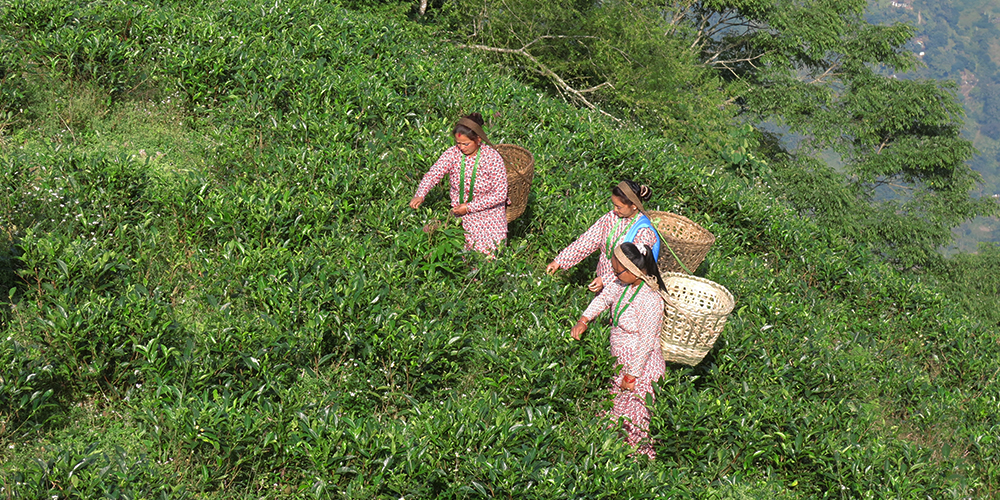
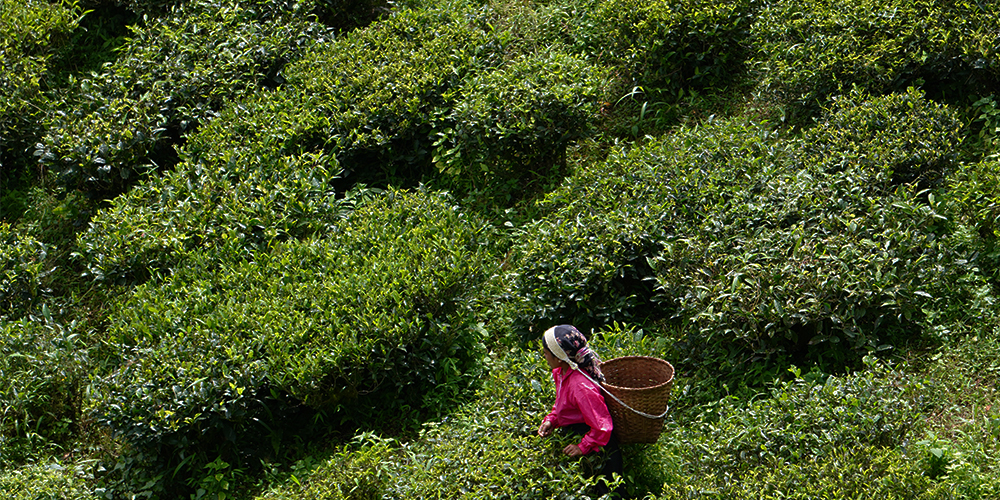
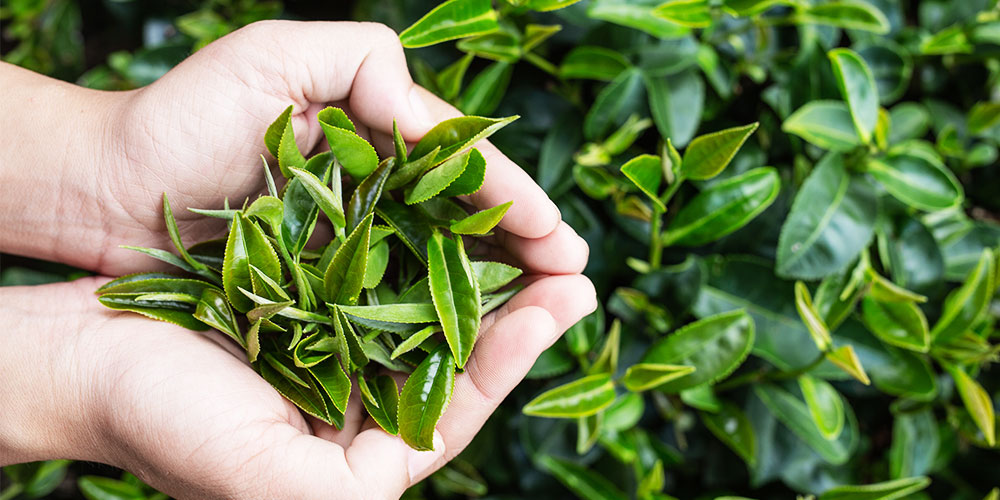
Premium Darjeeling tea is produced in limited quantities from carefully selected leaves and requires skilled cultivation, plucking and processing. Its complexity, rarity and character make it worth the premium.
4. Single Estate vs Blended Darjeeling Tea: Which Should You Choose?
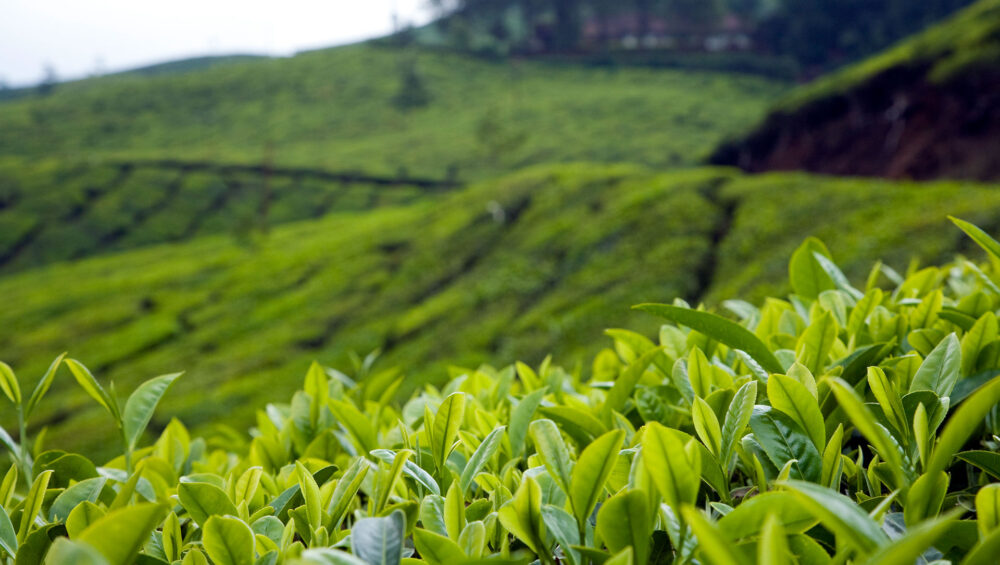
Single-estate Darjeeling tea offers the distinctive character of one garden and terroir, while blends combine teas from different sources. For authenticity and estate-specific character, single-estate tea is the preferred choice.
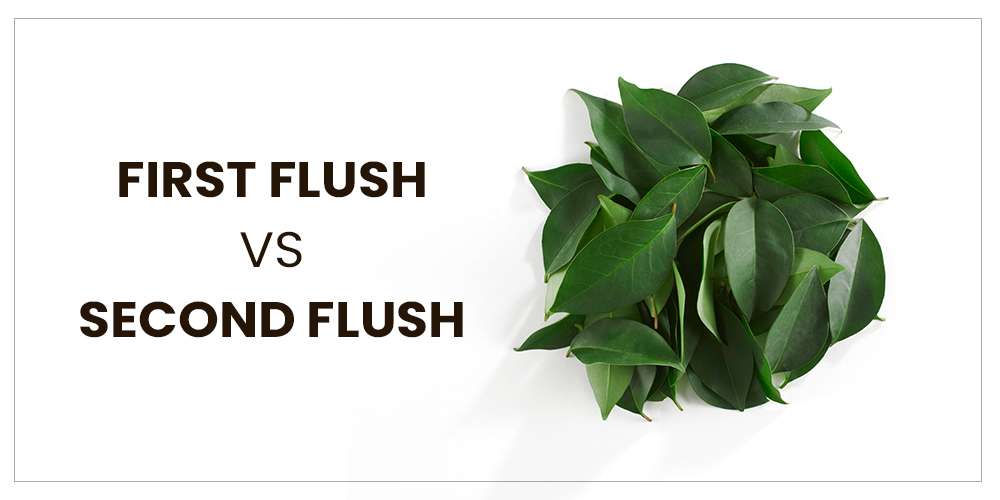
5. How to Recognize an Exceptional First Flush Darjeeling Tea
Look for a vibrant aroma, delicate body, bright liquor and a clean, lingering finish. Exceptional First Flush teas are carefully crafted from the season’s finest early growth.
6. What Makes a Great Second Flush Darjeeling Muscatel Tea?
A great Second Flush Muscatel tea combines a rich aroma, smooth body, depth and the distinctive fruity, grape-like muscatel character created by the unique Darjeeling terroir and skilled processing.