Discover what makes Darjeeling tea truly exceptional-from altitude, weather and cultivars to expert tea-making, seasonal variations and the unique development of its famous muscatel character.
1. Why Darjeeling Tea Tastes Different Every Year
Every harvest is unique. Weather, rainfall, temperature, sunshine, plucking conditions and processing can change the aroma, flavour and character of tea—even from the same estate.
2. How Weather Affects Darjeeling Tea Flavour
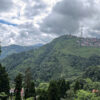
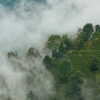
Darjeeling’s cool mountain climate, rainfall and changing temperatures play a vital role in shaping the aroma, body and flavour of each tea harvest.
3. The Science Behind Darjeeling Tea’s Famous Muscatel Flavour
The distinctive muscatel character develops through a complex interaction of tea variety, weather, insect activity, leaf chemistry and skilled processing, particularly during the Second Flush.
4. Why Teas from the Same Darjeeling Estate Can Taste Different
A single estate can produce many distinct teas because different sections, elevations, cultivars, plucking dates, leaf quality and manufacturing techniques create different flavour profiles.
5. The Tea Maker’s Role in Creating Exceptional Darjeeling Tea
From withering and rolling to oxidation and drying, the tea maker carefully controls every stage of manufacture. Skilled processing can transform excellent leaves into an exceptional Darjeeling tea.
6. How Altitude Influences Darjeeling Tea Aroma and Flavour
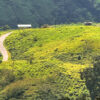
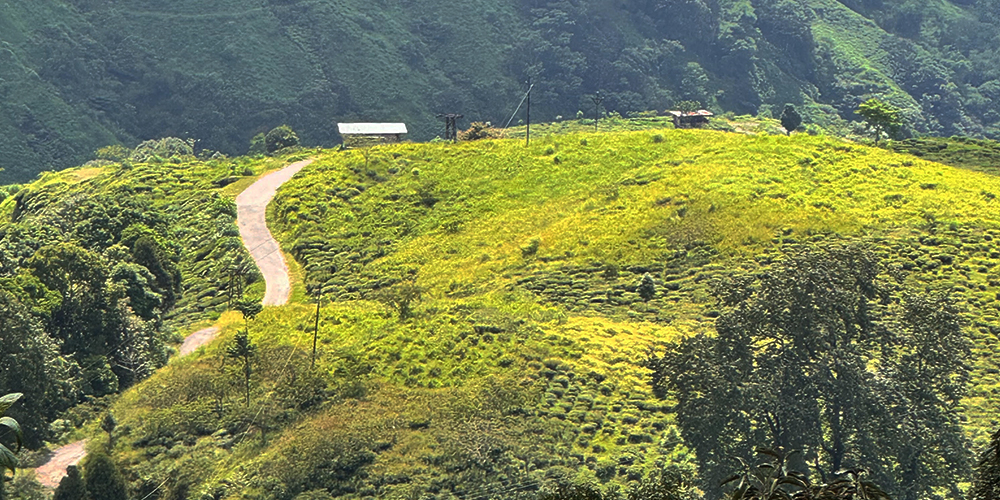
Higher elevations generally bring cooler growing conditions and slower plant growth, contributing to the distinctive aroma, delicacy and complexity associated with premium Darjeeling teas.
7. Why Premium Darjeeling Tea Cannot Be Mass Produced
Exceptional Darjeeling tea depends on specific gardens, seasons, small batches, careful plucking and skilled processing. Its unique character comes from nature and craftsmanship – not mass production.